Amy T. Shuster

Those who know me well, know that I love to eat.
I also love to talk. A lot.
And quite often, I talk while I am eating. (Sorry, mom).
Yes, as a grown adult, and like many of you all, I talk with my mouth full of food and as a result, I recently had to experience its consequence. I choked. Bad.
Now, the Heimlich maneuver, hopefully you’ve never had to witness or experience it for yourselves, is definitely not as glamourous as they make it on TV. On the screen, you see someone grab their throat, and point to their face with their eyes bulging. Then some good-looking guy jumps out from behind the curtains and heroically preforms the maneuver with graceful ease (unless you are watching a comedy, in which case silverware is flying and tables are breaking all over the place). Voilá! The chicken bone, or whatever, is then dislodged and flies through the air in slow-motion. The person who is choking then hugs their savior and the guests in the restaurant clap approvingly. This wasn’t exactly how it all went down with me.
For me, it was a terrifying experience, and I wouldn’t wish it on my dearest enemy (not like I have any… cause I love you all!)
Ok, the story: I was sitting at the computer, eating (probably strike #1). I don’t remember what the meal was exactly, but I know it wasn’t a big piece of meat or a bone or anything. I believe it was ground beef and rice… and it was dry… and I had no water near me… and I was hunched over the computer… of course, talking.
I swallowed, but the food didn’t go down. It stayed in my throat. It wouldn’t come up either, therefore, my airways were suddenly closed. I don’t know if this is typical of the choking sensation, but when your throat is closed, you have trouble breathing through your nose too. I couldn’t breathe at all, or shout for help. Not even let out a wimper.
I started banging on the computer desk and then jumping around frantically. My eyes started to water and seconds passed and I was not breathing. Then, a good-looking guy DID come to my rescue… my boyfriend, thank the good Lord he was just in the other room.
“Babe!”
“Are you choking!?”
“Do you need the Heimlich maneuver preformed on you!?”
Ok, just so you know… when you are choking… like really choking, you can’t really answer anybody’s questions. You are useless. I couldn’t shake my head YES or NO. I was too busy gasping for air. If someone doesn’t answer you, then you probably got to get to work.
My dude jumped into action! (Probably a little terrified and also probably a little excited that he could finally put his high school survival training to good use).
He put his arms around me, then he put a fist in between my breast bone and my navel and grabbed his wrist with the other hand to apply pressure. Then, he made quick upward thrusts which lifted me up off the ground a bit.
It was a horrible process and even hurt a little bit, but it distracted me enough to calm down and little pieces of rice started to come loose from my esophagus. A bit of water and some tears later, I was saved. It was terrifying. And I even had bruises on my belly later, but it was necessary.
It got me thinking, how many people actually know the proper way to perform the Heimlich? How many of you would have been able to save my life or someone you see choking in a restaurant? It’s not hard to perform, and it could actually save someone’s life.
Check out this WikiHow video and see how easy it is to save a life.
Have you or someone you know had to do the Heimlich or even CPR on someone? What was the experience like? Let me know in the comments section below!
I recently spent 12 days in Hawai’i. I visited 2 islands and ate countless dishes from chefs from all around the world. I discovered local gems and avant guard restaurants truly pushing the culinary envelope. I ate local. I ate lots of local. I rode a horse and visited the neighborhood markets. I learned how vanilla was grown and how the cherry red Kona coffee fruit made it into my morning cup. I ate malasadas and loco moco and coco puffs and of course, lots of poke.
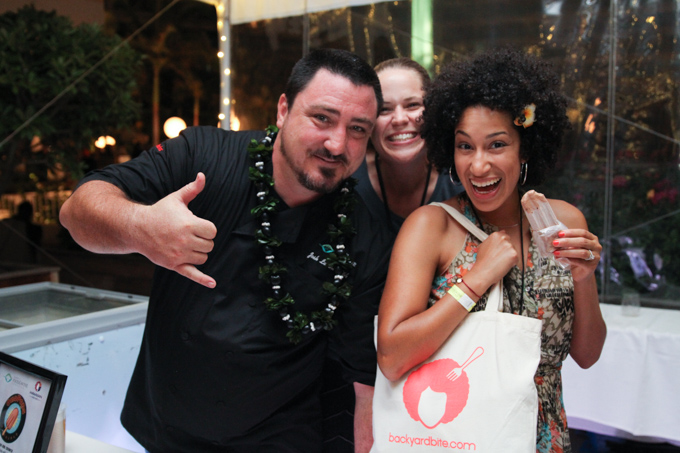
I sipped. I shopped. I met local chefs, famous chefs, and hard working farmers. I saw countless stunning sunsets and sunrises. I sipped killer cocktails. I saw a Polynesian dancer kiss fire and I ate a roasted pig from underneath the ground. I hiked to the top of a volcanic crater. I slid down a slide. I saw fireworks and drank beer. I got lei’d.
I baked Portuguese Bread and pounded po’i. I tried SUPing (stand up paddle boarding). I kayaked. I swam in a geothermal hot spring. I got hit in the head with a boogie board. I ate frog legs and abalone. I visited an 800-year-old fish pond and hiked to the top of a waterfall. I saw a rainbow and heard the coquis sing.
And yes, I ate spam… and I loved it.
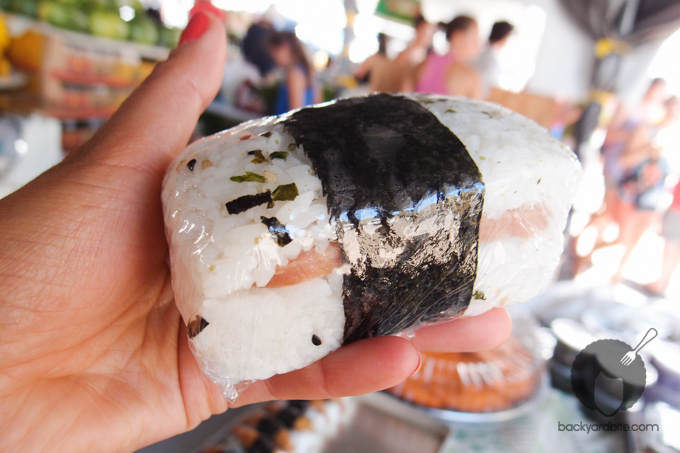
[I was a guest of the Hawai’i Visitors and Convention Bureau and their partners. Mahalo for having me as your guest. All opinions expressed are my own.]
Over the summer, I had the pleasure of combining two of my favorite things. Chocolate and art! I attended a hands-on art class at the Craft in America study center and got to paint and design chocolate wrappers with none other than Compartés Chocolatier owner, Jonathan Grahm.
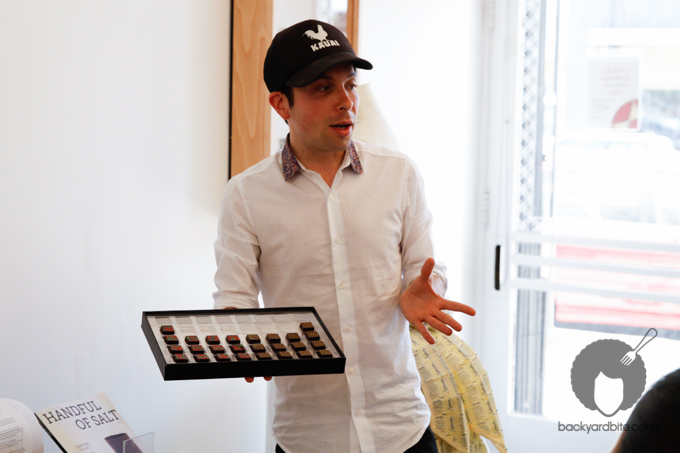
Specializing in hand crafted, gourmet, organic chocolates, Compartés is also known for their cool looking, artsy wrappers.
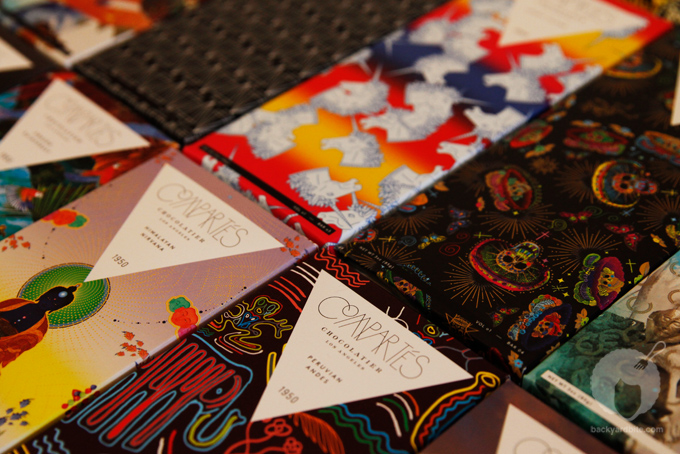
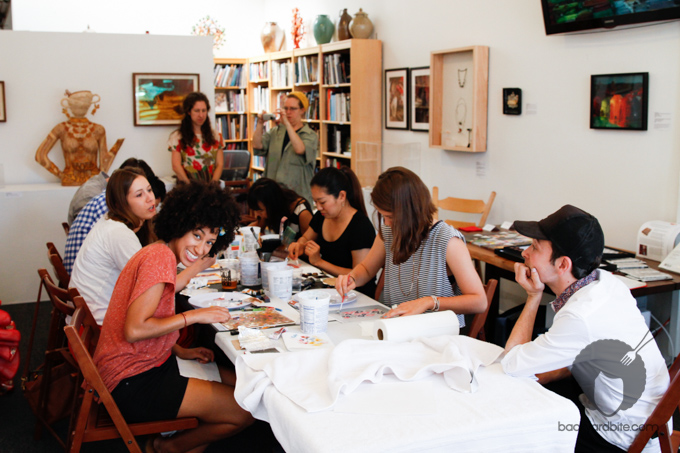
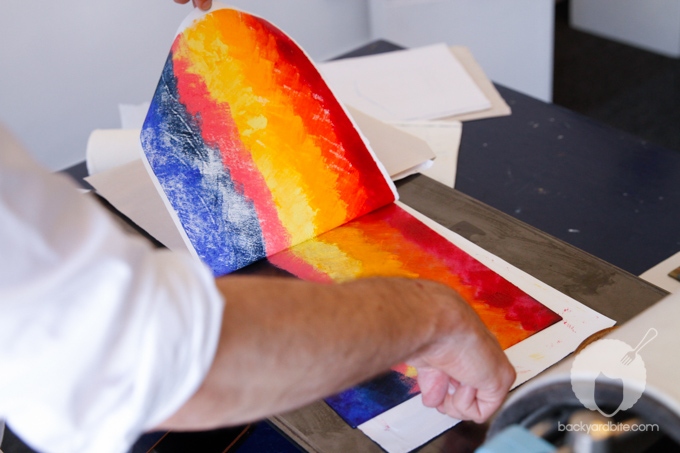
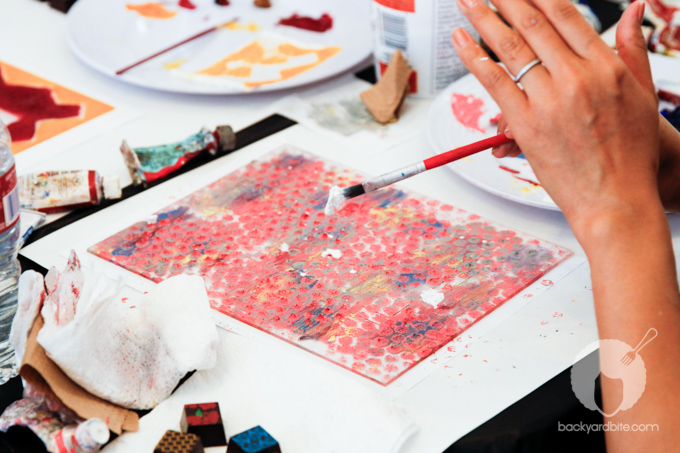
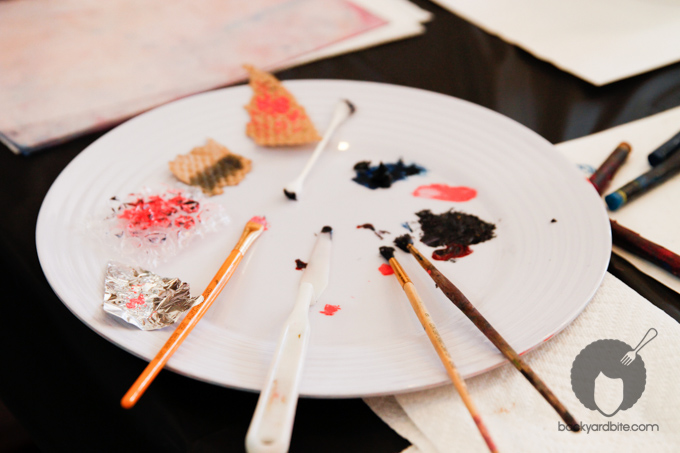
That afternoon, we made our very own chocolate bar wrappers using a monotype printing process and I was instantly transformed into 10-year-old Amy, back in grade school art class. Yay Art!
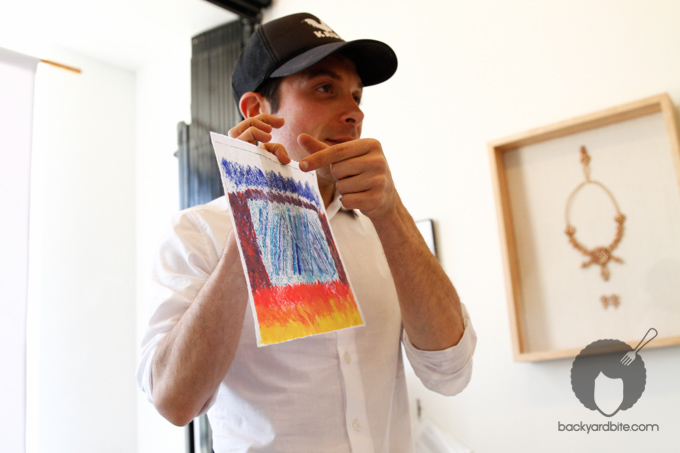
So, how does art end up on the chocolate? The designs are first printed and then transferred on with ink that is made with edible powdered cocoa butter. It melts directly onto the chocolate. After the art is printed, the shell is made and then they pipe in the ganache filling. No machines or conveyor belts, it’s all done by hand.
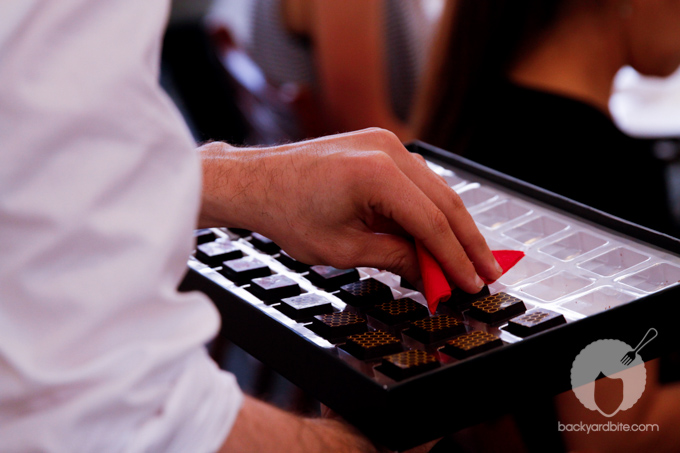
Compartés is a very “Los Angeles” brand. I asked Jonathan how he, at 28-years-old ended up with a chocolate company. He explained that when he was 14, his family, who also owns a winery in Santa Cruz, purchased Compartés from the original owner, the actual Mrs. Comparte. He said that he wanted to be creative and “bring chocolate back down to earth… make it cool again.” About 2 1/2 years ago, the chocolates were rebranded with a fresh, hip twist.
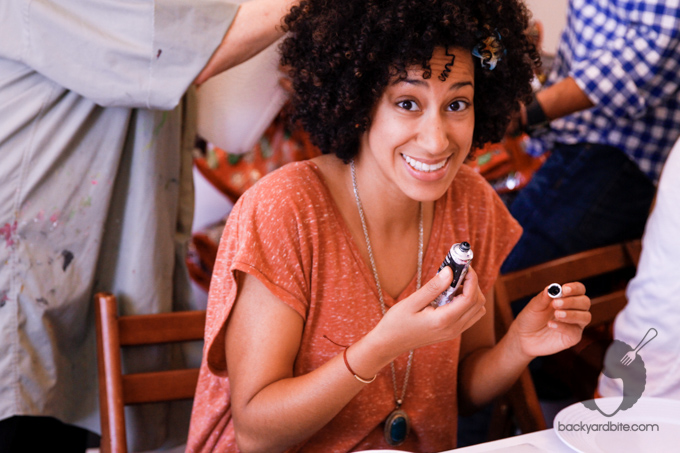
As we painted, we sampled various decadent truffles; brown butter, mexican hot chocolate, caramel brulee, raspberry rose, peanut butter honey salt…
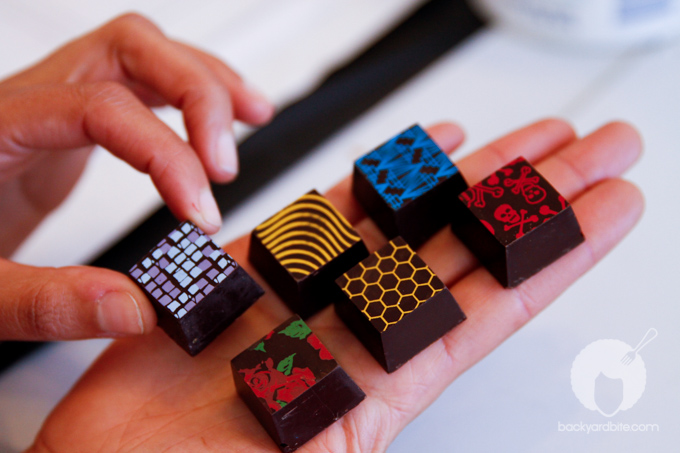
Mostly sourcing single origin chocolate from South America, Compartés is one of the top ten artisan chocolate makers in the country.
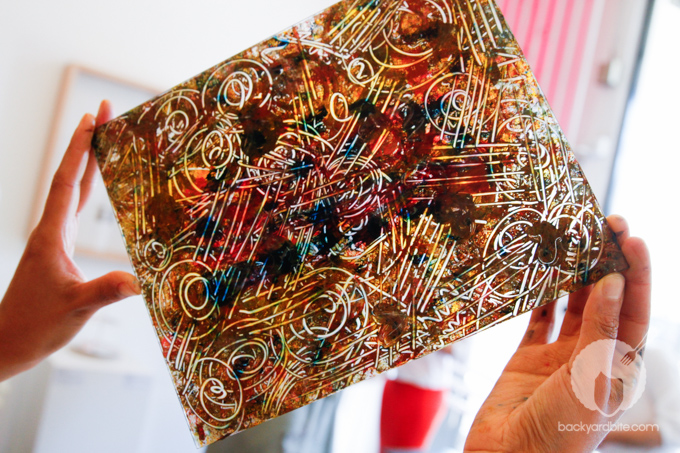
During the class, printmaker Christina Carroll taught us the fundamentals of the monotype printing process. It involves drawing or painting on a non-absorbent surface (we used plexiglass) and then transferring the image on to paper by pressing the two together. Here, Christina shows me how to run my design through the press…
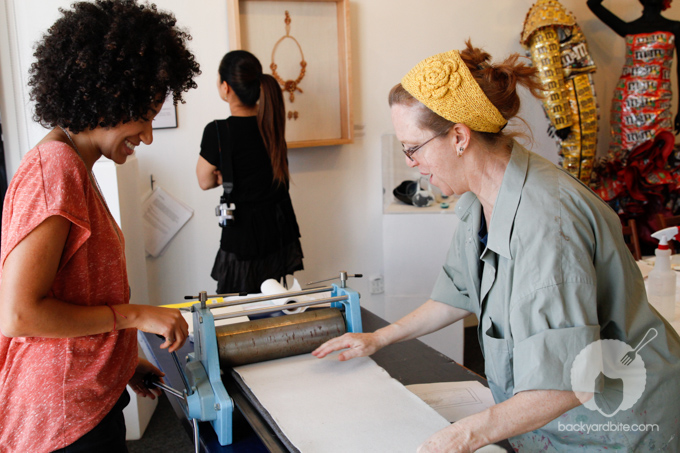
It wasn’t as hard as I’m making it look!
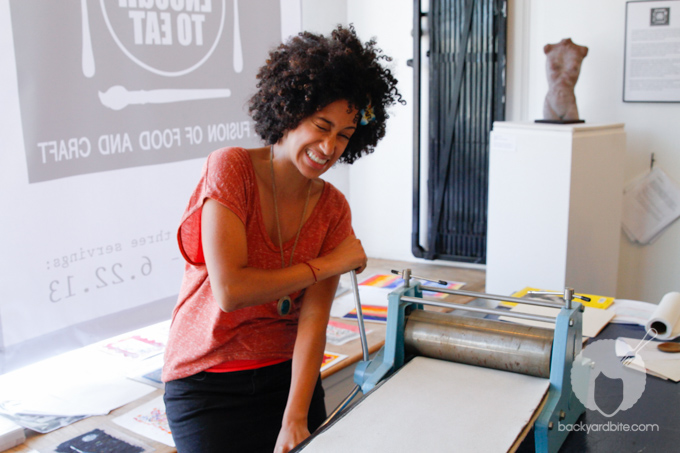
Tada!!
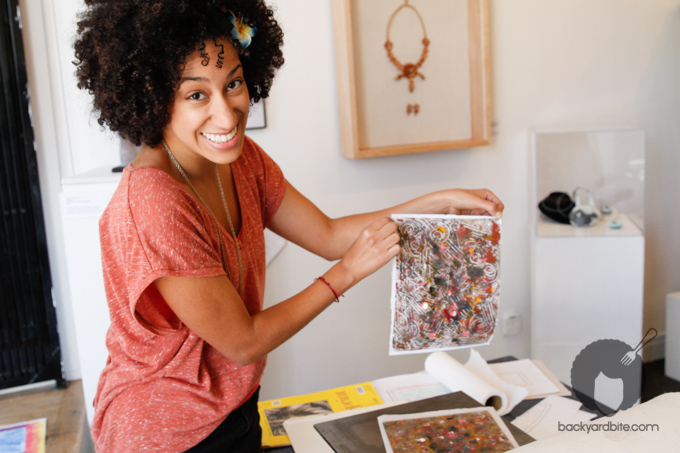
We were supposed to then wrap the candy bars with our art piece-wrapper, but most of everyone (including me) just wanted to eat the chocolate right away! So we did. And I later just put the art on my refrigerator. Look what I painted ma!
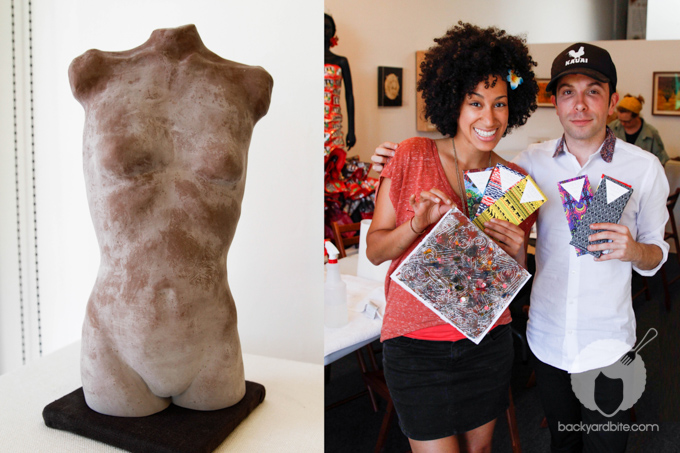
I found this class a great way to spend an afternoon channelling my inner artist. Wanna get your creative juices flowing? Check out the Craft in America Study Center calendar for up and coming fun events and art talks!
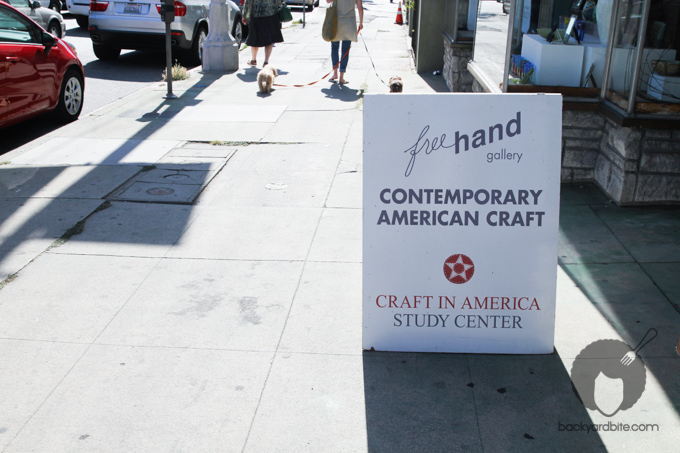
You can find Compartés around Los Angeles at Coffee Commissary, Alfred coffee, Beverly Hills Hotel, Domaine LA, and the Ritz Carlton.
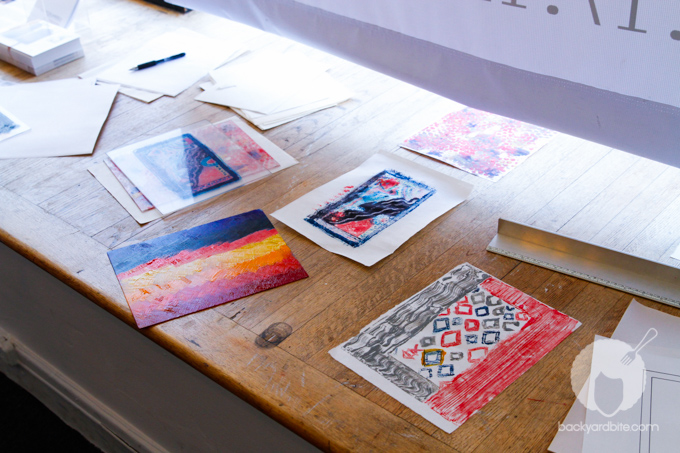
Thank you to Jonathan and Craft in America for inviting me to be a guest in your fun class!
11313 Mississippi Ave · Los Angeles, CA 90005 · Neighborhood: West Los Angeles
I rarely find myself hanging out on Sawtelle on the Westside, if for no other reason, because I don’t want to get stuck in 405 traffic in the afternoon. So, when I DO find myself in the neighborhood, I try to linger and explore a bit while I am there, because I know it might be a while before I return again to ‘Little Osaka’.
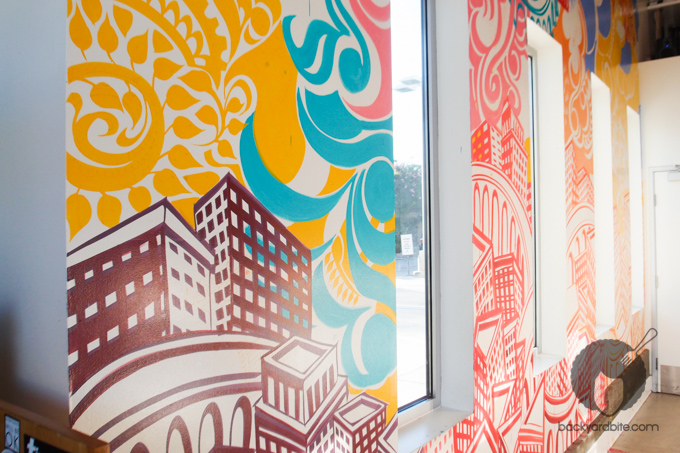
Last week, I was in the neighborhood to attend a Sake tasting event presented by JETRO and after a couple hours of drinking sake in the afternoon (oh, the woes of being a food blogger!), I found myself in serious need of some grub. It was about 4 pm and I could either 1) hurry home to beat rush hour traffic or 2) be a responsible driver and stick around the neighborhood, sober up, and eat something nearby.
There was just one little problem… many of my go-to retsuarants were already done with lunch and thus closed to prep for dinner. Crap.
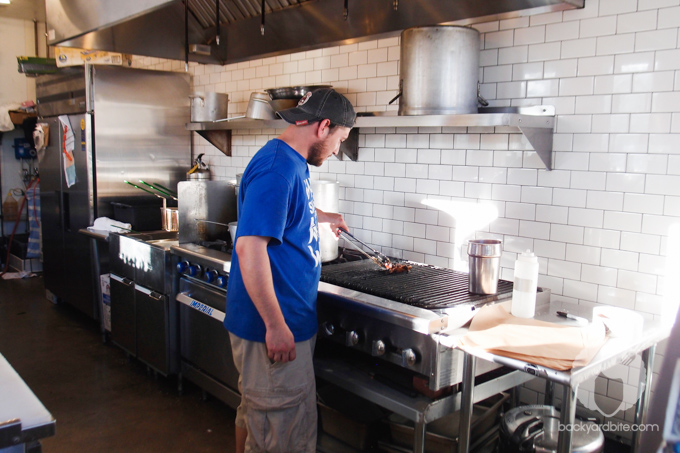
I walked up and down Sawtelle, thinking, pacing, Yelping, and then I remembered I heard of this one sausage place around the corner. Meaty sausage goodness to cure my cravings and absorb all that sake in my belly. Perfect. Seoul Sausage to the rescue!
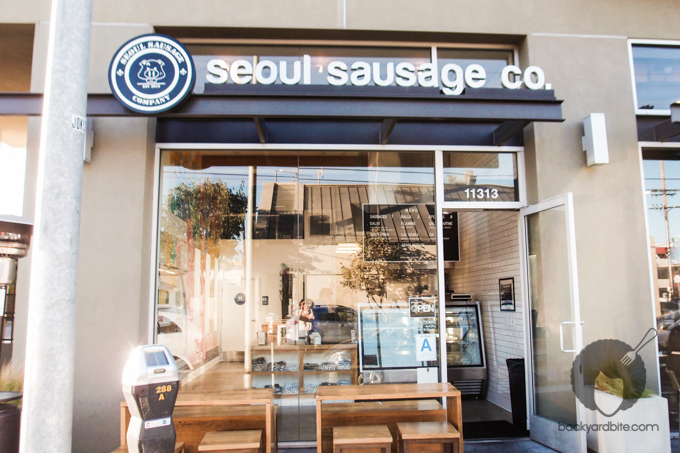
A “passion project” started by two brothers Yong and Ted Kim, and chef Chris Oh about 3 years ago, this place is small but packs a big bite. They started off as a catering company thanks to their win on the Food Network show The Great Food Truck Race (Season 3), and they hope to be your “gateway drug” to other Korean foods.
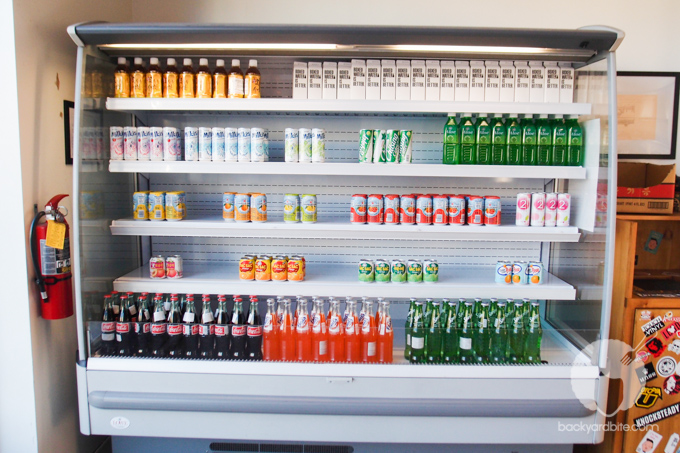
Boy was I glad they were open! Inside was a simple 7 item menu hanging from above.
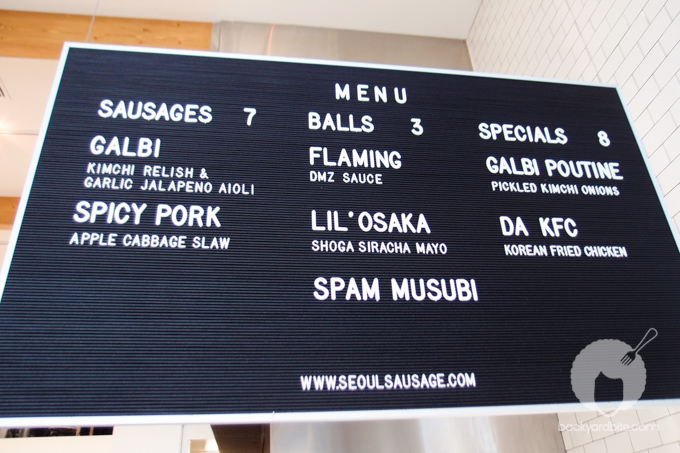
Although there were only a few things on the board, it was hard to choose… did I want “sausages,” or “balls?” Why not both!?
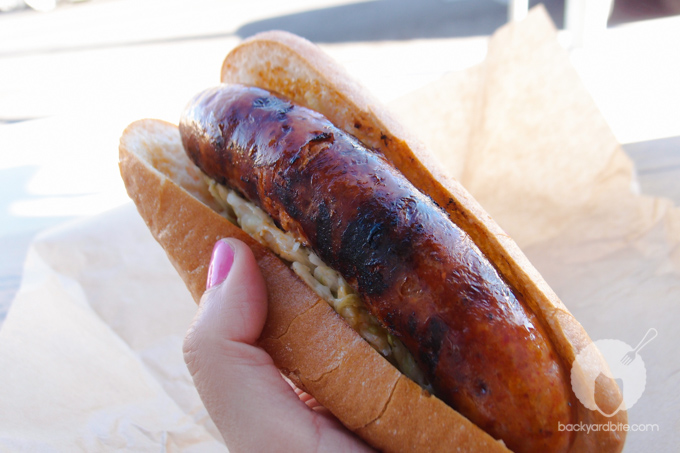
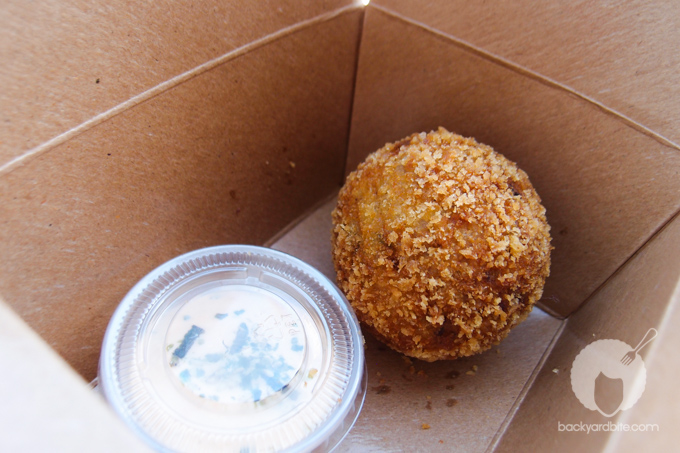
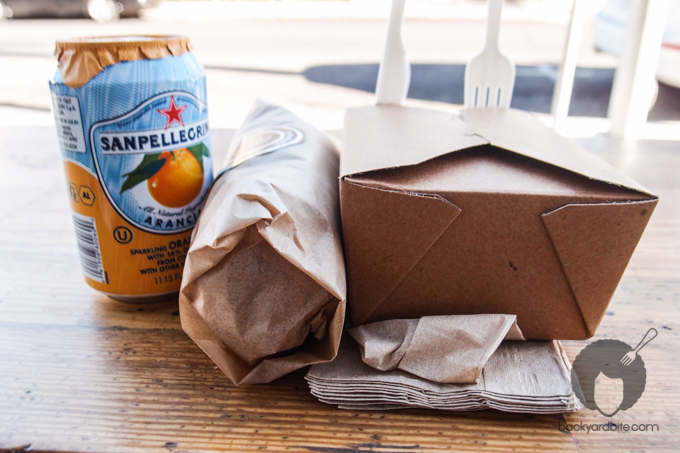
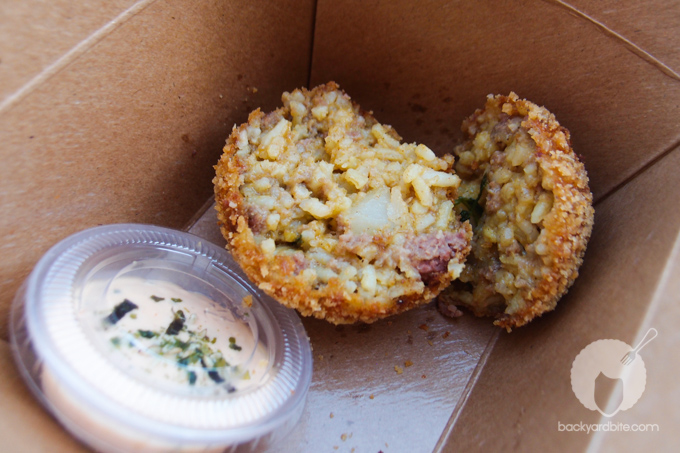
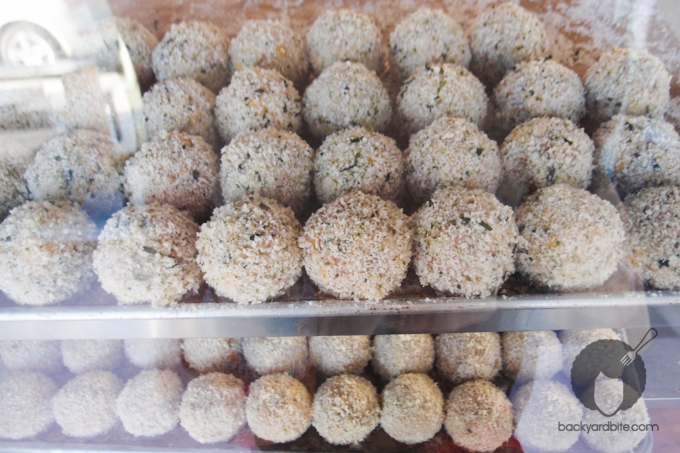
I ended up with a spicy pork sausage and a ‘lil osaka fried ball of delicious goodness. Yum. It’s a good thing I was hungry.
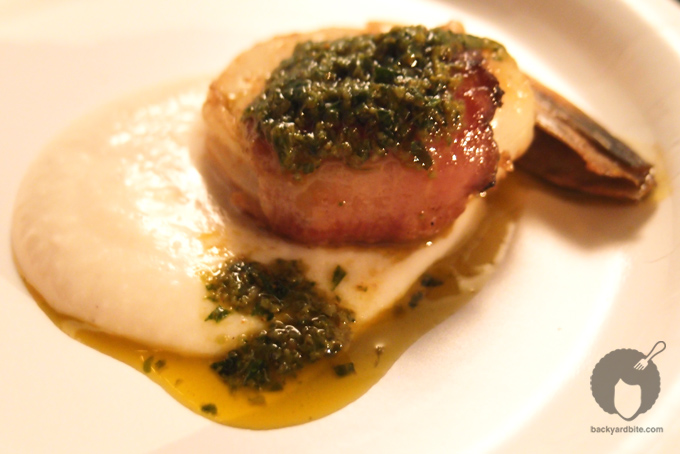
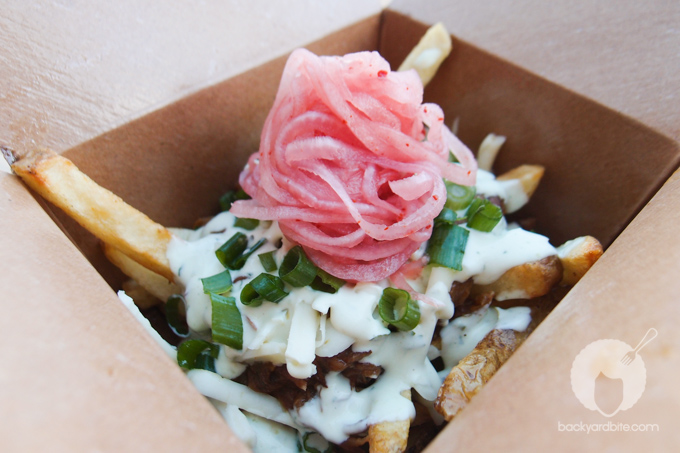
Out came a tasting of their Galbi Poutine just for me… umm… Wow. and Yum. (Thanks guys!) 8 hr. braised short ribs served on top of twice fried french fries with cheese, kim-chi pickled onions and avocado lime crema. Let’s just say I killed it. I killed it bad.
A fellow customer let me take a pic of his Korean Fried Chicken he had ordered. He licked his fingers clean… I’ll be getting this next time.
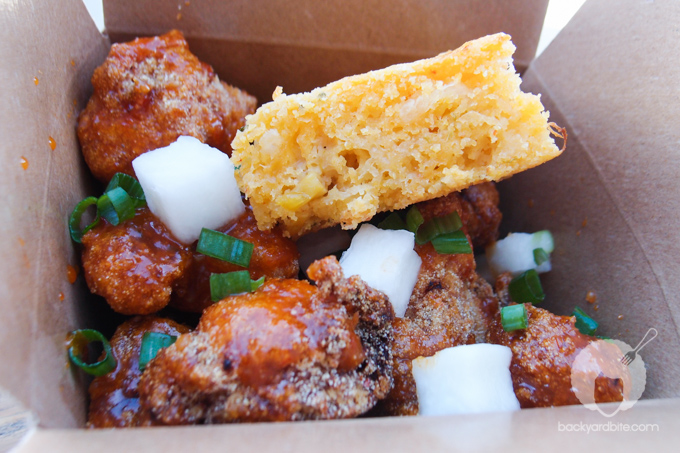
The distance to the shop is a mini trek from my West Hollywood neighborhood, but it’s definitely worth a stop over when I’m in the area. Also, they have a truck which makes the rounds all across LA. If you see them driving around, be sure to stop that sausage!
Tasty little fried balls — I shall see you again soon!
I attended the 3rd annual Glow Festival on Santa Monica Beach this weekend. It was estimated that there were roughly 150,000 people in attendance this year and there was no shortage of kids and families, dogs with their owners, lovebirds on dates and weirdos on bikes. It is truly a spectacle to see, and for 8 hours for one Saturday night every year, it is truly a spectacle. 15 artists lit up art installations along Santa Monica Beach, The Pier and Carousel. There were Octopi people riding the Ferris Wheel and plankton glowing up on the beach sand. Here’s a video recap to show you what you missed.
A fun celebration of light, color, glowing things and of course, Food Trucks! Bring some friends next year and make a night of it. This years fest (gently) raged until 3 AM!
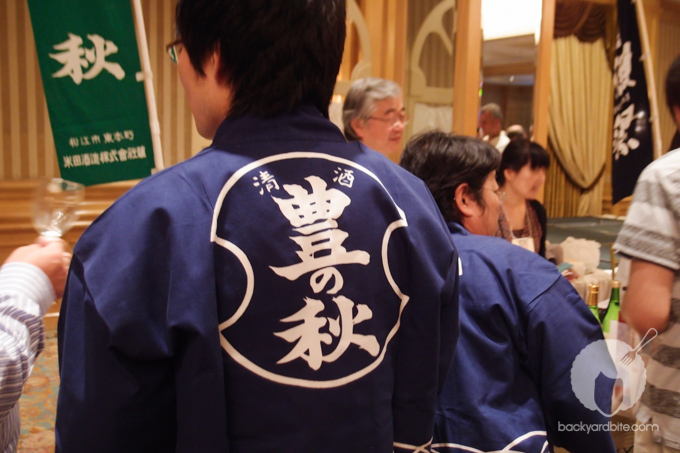
I recently attended a “Discover Sake” event presented by JETRO ( The Japan External Trade Organization). The event included a tasting and seminar to educate the masses about sake. I learned about its origins, how to pair it with foods and why it’s so gosh darn tasty. Think you know about sake? Test your sake knowledge by taking this short quiz and see if you got “sake smarts.”
1. True or False: Sake is a type of Japanese wine.
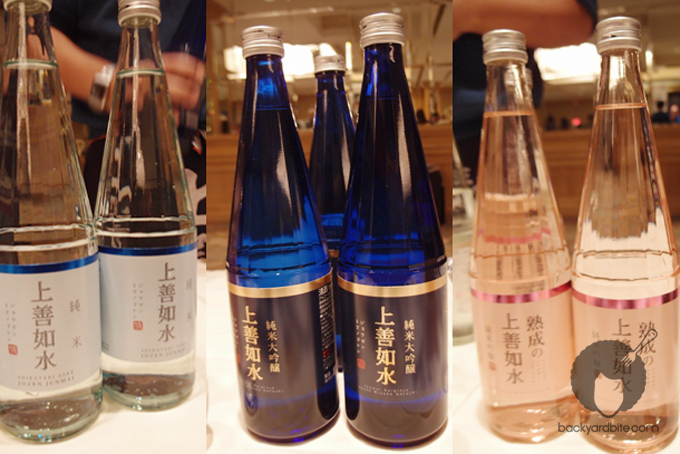
False. Often called a “Rice Wine”, sake is actually made more like a beer. To further classify it, it is neither a wine, beer OR spirit. It is held in a class all its own – an alcoholic beverage fermented from the sugars of rice.
2. True or False: So, if sake is made from rice, I can just take a package of Uncle Ben’s and make some sake at home?
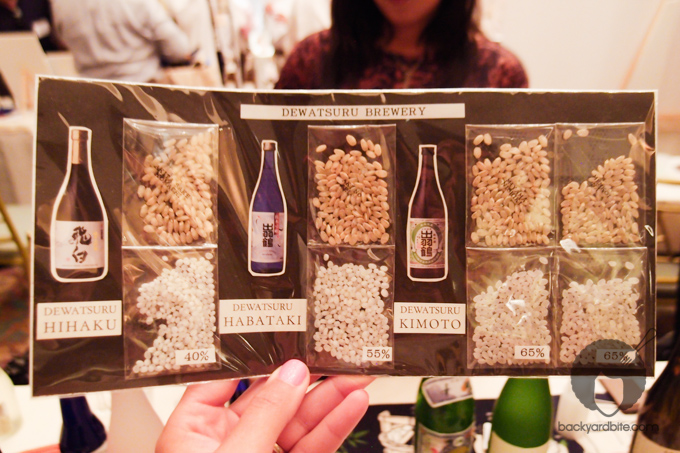
As awesome as that would be, unfortunately that would be False. Making sake is a complicated process that has been perfected over many years. Sake is made up of water, yeast, sake rice and mold. The yeast provides the alcohol and CO2 as it does with beer or wine, and it is also a contributing factor to sake’s aroma. Koji (mold) is steamed rice that has had koji-kin, or koji mold spores, cultivated onto it. Sake rice is different than regular rice that you would eat at home in that the grains are fatter and it has much more starch.
3. True or False: Sake only lasts 1 day after opening.
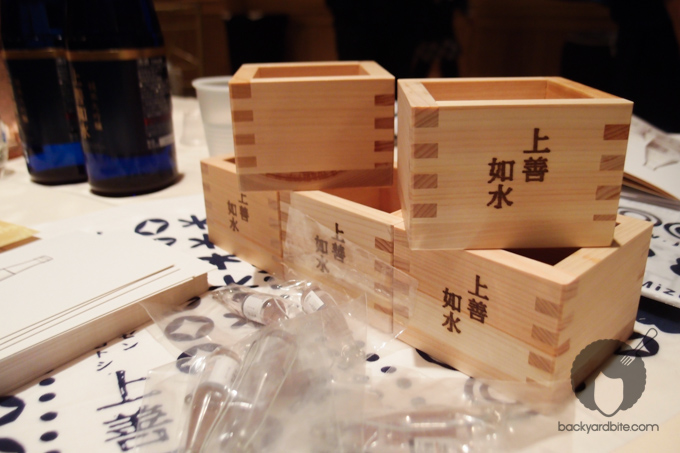
False. The date on the bottle is the date the sake brewer has said that the sake is ready for consumption and though you typically want to drink it as close to that date as possible, you can generally save it in the fridge for a long while… a few weeks up to 6 months once opened and one year if unopened. The taste may change slightly as every sake has its own personality. If you are a cook, you can always experiment with it in different recipes too. Here’s an easy recipe for Yakitori Chicken. Check back for recipes cooking with sake! Ok, next question…
4. True or False: Sake is only served when eating sushi.
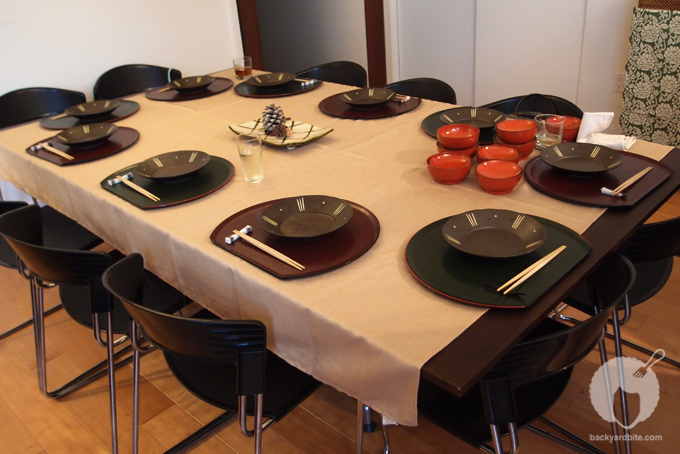
False. Sake is more than just for sushi! Sake is such an integral part of the Japanese diet as it can be paired with all types of cuisines and various cooking styles. Sake brings out the flavors in foods, tempering the strong aromas of beef and pork and of course, it goes naturally with seafood. I had a perfect pairing of sake with spicy braised pork w/ watercress and vegetable rice at this recent food festival. It cut the spiciness perfectly.
5. True or False: All sake is served warm.
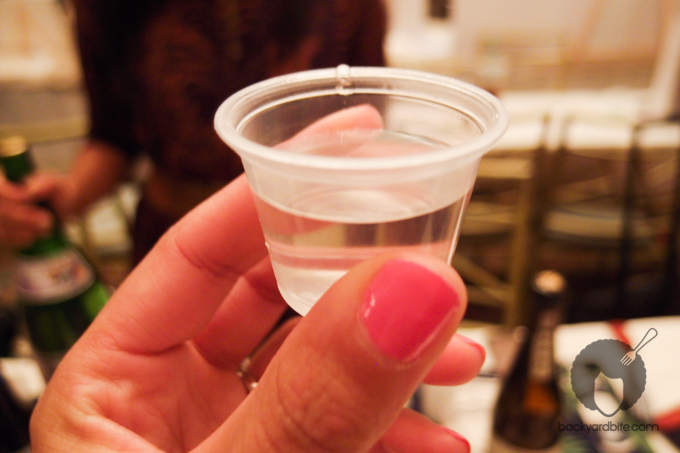
False. Some sake is served warm, but not all. I discovered warm sake when I was living in Chicago and I found myself wanting to accompany my friends out for a drink one night. Being that it was 20 degrees outside and blizzard-ing in the middle of winter, I couldn’t bring myself to sip a cold beer. Warm sake became my beverage of choice, as it got my blood flowing, warmed me up and tasted good! As I began to experiment with other sakes, I discovered the silky, floral notes of chilled sake and this “elegant” style actually became my new favorite. Play around with different varieties until you find the one you like. I’ve found that sake is a lot like wine, everyone has their own preference.
6. Sake is a relatively new drink and came on to the market in the 90’s.
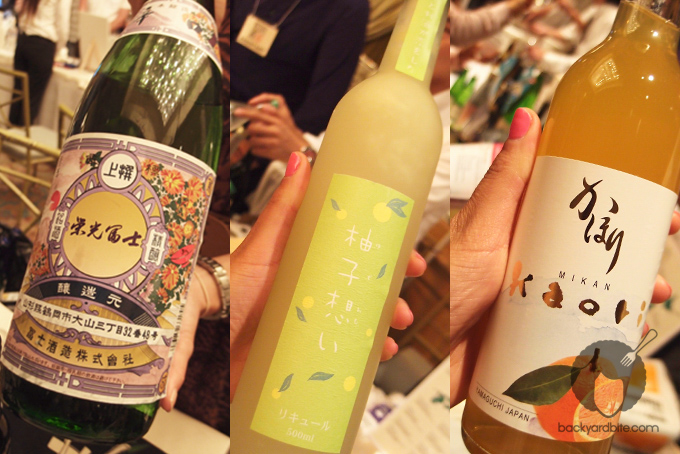
Ha! I don’t think I fooled anyone here. The answer is False! Sake has been around for over 2,000 years and has played a central role in Japanese life and culture. As of the last 40 or 50 years, “elegant” and flavored sakes (like Yuzu or sparkling) have started to trend. There are a lot more sake varieties on the market now that it is more widely available and has gained popularity in the States and worldwide.
7. True or False: Sake is cheaper in Japan.
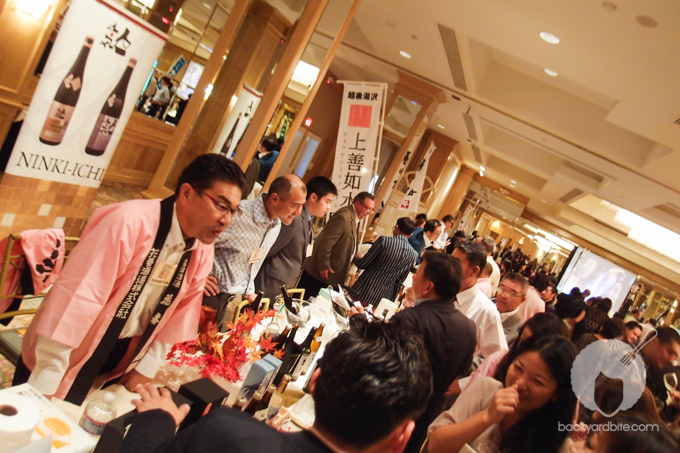
True. As you might guess, since it is more readily available, and there are a lot more varieties there, sake is 1/2 to 1/3 cheaper in Japan! That being said, If you are ever visiting Tokyo, make sure you hit up some bargains at Duty Free before you head back to the states!
8. True or False: Unfiltered sake has a stronger alcoholic content.
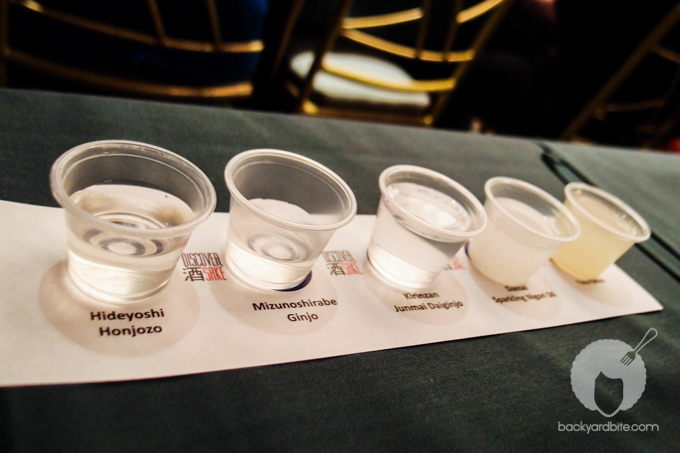
False. Generally most sake is around between 13-16% alcohol and that’s either filtered or unfiltered. Think of unfiltered (cloudy/milky) sake as orange juice with lots of pulp still in it. When unfiltered sake is being made, the sake is passed through a looser mesh so there’s more rice sediment in the bottle. The starch of the rice settles to the bottom of the bottle, so make sure you shake it up before drinking! With unfiltered sake you get a grittier more textured taste, not necessarily more alcohol. Filtered sake is a cleaner, smoother drink like Patron or a crisp Vodka. They are really just a matter of preference. Both are good! Here’s a great site if you want to nerd out on more facts and sake types.
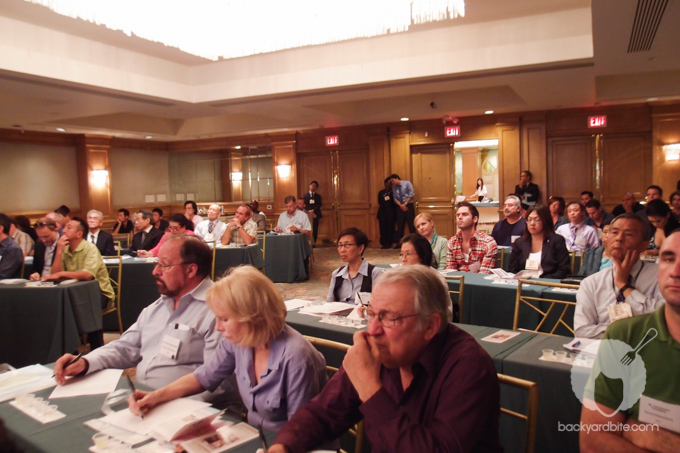
So did you pass the test? Don’t worry if you failed miserably. The only way to get more sake knowledge, is to drink more sake!
Kampai! (Which means, cheers or toast to good health!)
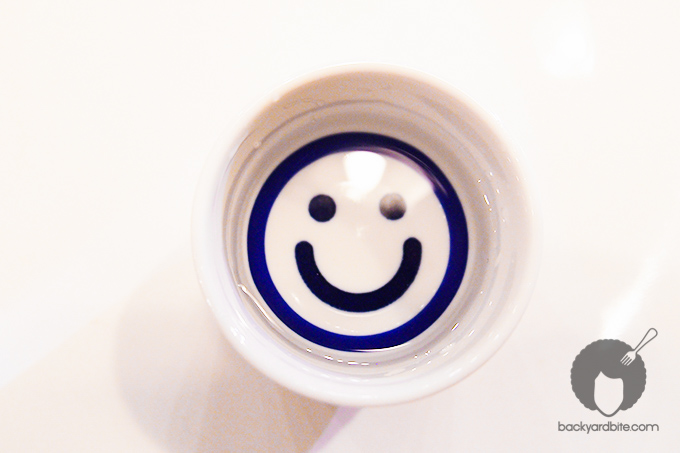
Looking for good sake in LA? Here are a just few places to get you started:
K&L Wines
Wally’s
Nijiya Market
Mitsuwa Market
Pingtung Eat-In Market
Robata Jinya
Want to learn about sake’s tasty brother shochu? Click here.
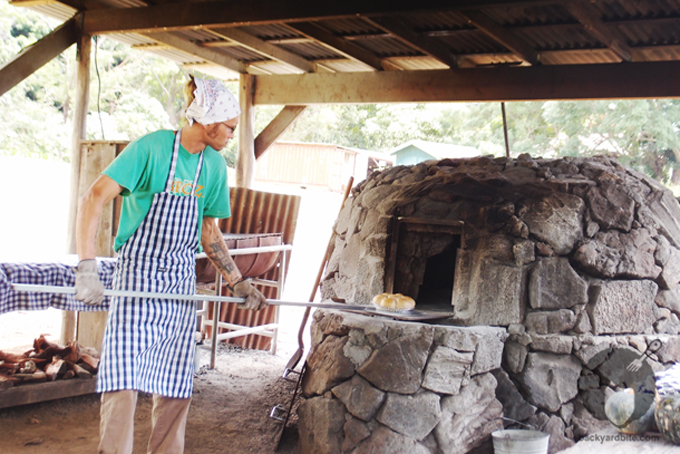
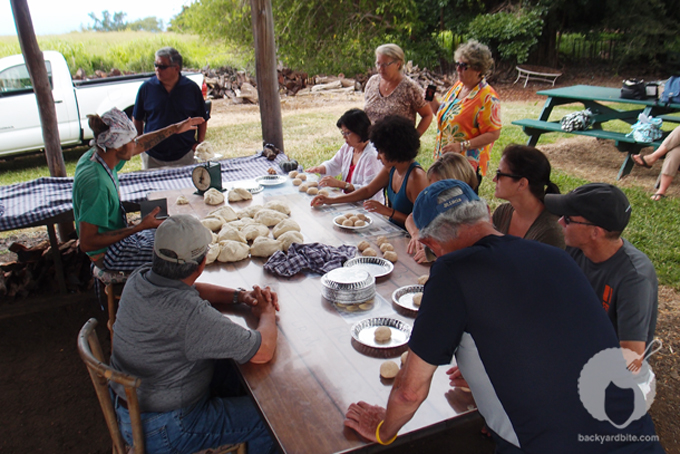
On my recent visit to the Kona Historical Society in Hawaii, I learned how to make the famous and delicious Hawaiian Sweet Bread. We rolled and kneaded the dough and then baked the loaves in a traditional Portuguese stone oven. We also got a little history lesson while we were there! Read on for the recipe and the video recap after the jump.
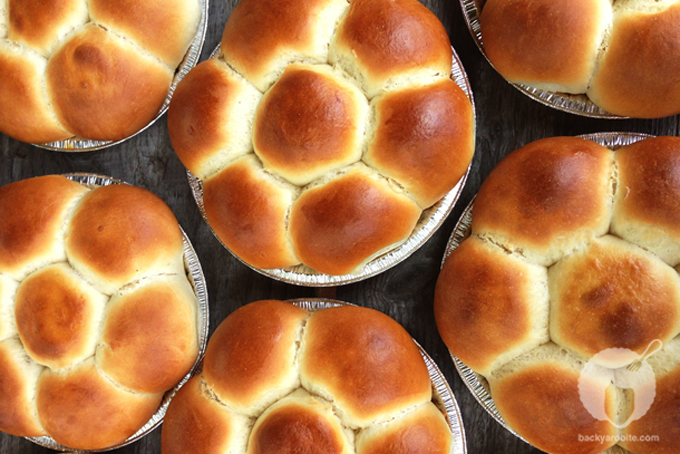
In the 1870’s when the Portuguese (mostly dairy farmers), originally came to Hawaii Island to work the plantations and dairy farms, they brought with them their special style of stone oven and also the recipe for their delicious sweet bread. What is known to us as Hawaiian Sweet Bread is actually Portuguese Bread. It was often baked for special occasions, and for commercial purposes, the name was changed to “Hawaiian Bread” – what we know of today.
Did you know?
The Portuguese brought to the islands not only an expertise in growing and harvesting bread, but grapes for making wine, and they are also credited with introducing the ukulele and slack key guitar to Hawai`i!
The bread is easy to make and super soft and chewy. Great for sliders, bite sized sandwiches or along side any meat. We spent about 3 hours rolling over 60 + loaves that day, and it was worth the wait! Here’s how you can make it at home:
Portuguese Sweet Bread a.k.a. Pao Doce a.k.a. Hawaiian Sweet Rolls
(recipe courtesy of the Kona Historical Society)
Makes 4 loaves
Mix together in a big bowl:
Warm water – 2 cups
Dry yeast – 4 pkg
Then stir in:
Sugar – 2 cups
Butter, melted – 2 sticks
Eggs – 4
Stir in – one cup at a time:
Bread flour
Approx. 8 cups, slowly stir/knead in up to 2 more cups (if needed)
When the dough is too difficult to stir, turn the dough out on floured table and knead in the rest of the flour for about 3-5 minutes. Add more flour as needed to keep the dough from sticking to the bowl, and cover it with a cloth until it has doubled in size (about 1 hour). Be careful not to over knead the dough!
Punch the dough down and divide it evenly into 4 loaves. Pinch off 7 equal pieces of dough from each loaf, roll and place in greased 9-inch round aluminum pie pans. Cover the dough again with a cloth and let rise until doubled (about 1 hour). Brush with egg wash (1egg mixed with 2 Tbsp of water). Bake in 400 degree oven for about 20-30 mins.
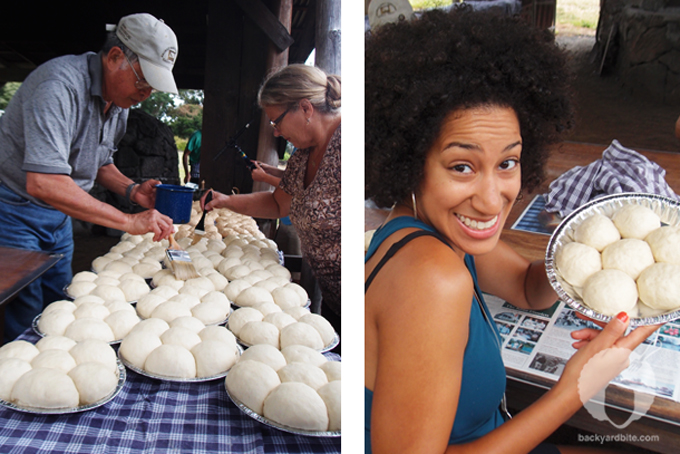
Originally founded in 1976, The Kona Historical Society is a community based, non-profit organization that collects, preserves and shares the history of the Kona districts. Supported by over 1000 members internationally they offer walking tours through Kailua Village, off-road jeep trips, historical boat cruises and a tour of a 5.5 acre preserved coffee and macadamia farm from the 1940’s. They offer the bread baking classes every Thursday from 10-1pm. It’s a great stop over when in Kona!
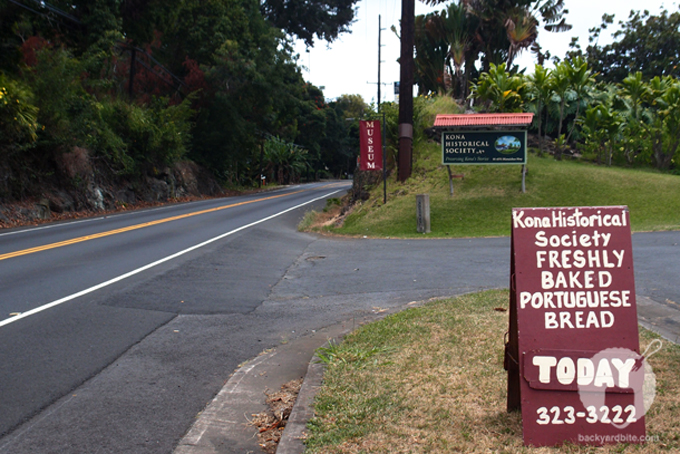
BYB Tip: Don’t have time to stay and bake? Drop in towards the tail end of the session (around 12:30 or so) and you can purchase loaves for $7 fresh out of the oven! Aloha!
[I was a guest of the Big Island Visitors Bureau and their partners and thank them for their Hawaiian hospitality. All comments and opinions expressed are strictly my own. Mahalo Lynn, Erin, Missy and all the new friends I made on Oahu!]
Last week, I attended the 3rd annual Hawaii Food and Wine Fest on Oahu. Although it wasn’t my first time to the island, it had been a long while (about 15 years!) since I was last there. Getting to return to the island, not just as a tourist, but this time as a foodie-tourist, a “food-ist” have you, I was experiencing Oahu with fresh eyes and newly refined tastebuds. I was eager to explore all that was awaiting me on the island; beautiful sunsets, nearly clear ocean waters, and of course, amazing food.
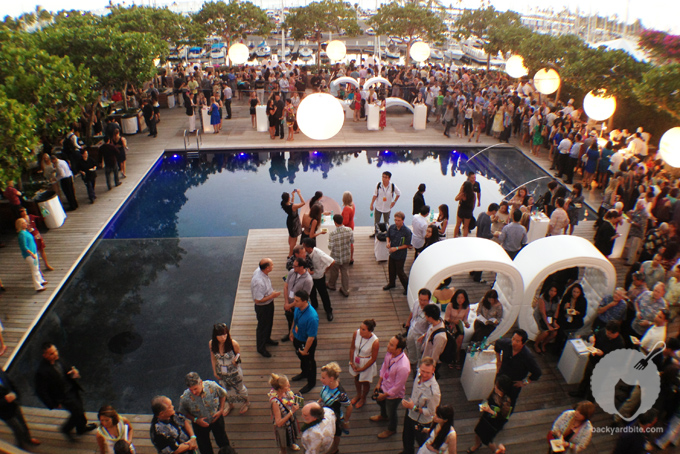
The first evening event held on Oahu for the fest, was a collection of 15 international chefs and 14 wineries and mixologists for Under the Modern Moon: Morimoto & Friends. The venue couldn’t be more perfect – the stunningly beautiful Modern Hotel on Honolulu.
Timed just right, a perfect sunset ordered up for the event and then this…
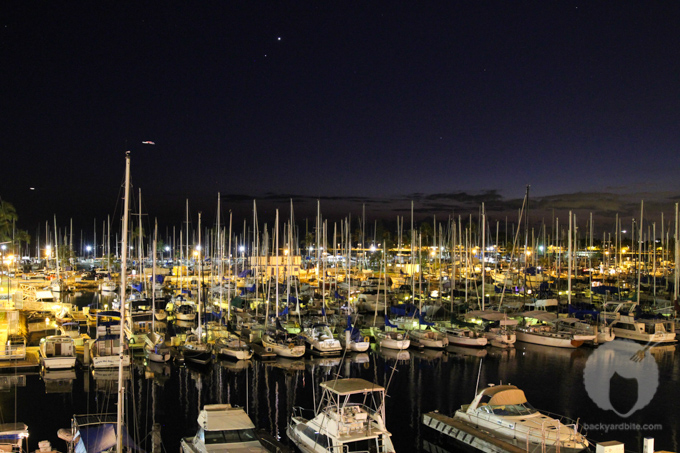
East met West as the talented chefs prepared unique dishes from Asia and the Pacific. Led by the one and only, Iron Chef Masaharu Morimoto, this was a great way to kick off the Hawaii Food and Wine Festival’s week long food extravaganza.
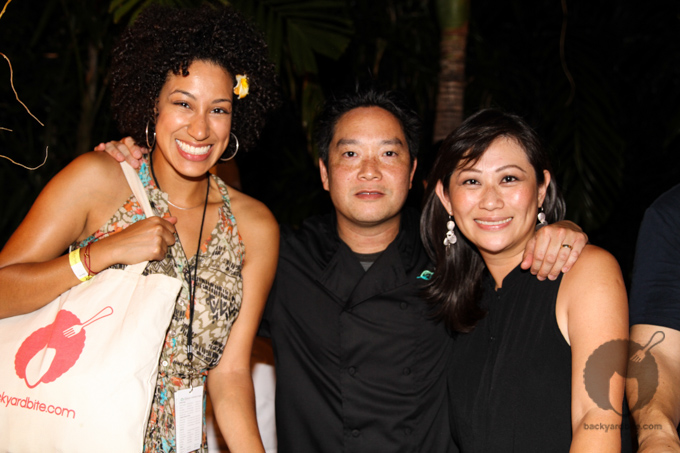
There were various “celebrity” chefs and quite a few well-known Los Angeles based chefs as well. At this event, I met Bryant Ng of The Spice Table and his wife who graciously posed with me for a picture.
Edible stand outs included two AMAZINGLY decadent desserts; one: a “Royal Hawaiian” made with Hawaiian Waialua cocoa beans, Big Island macadamia, Kokoleka chocolate mousse and haupia Hawaiian vanilla cream mousse from Stanton Ho, a pastry consultant from Las Vegas…
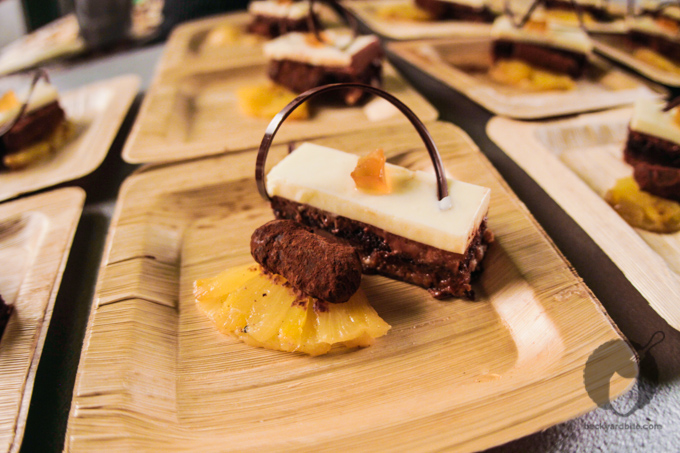
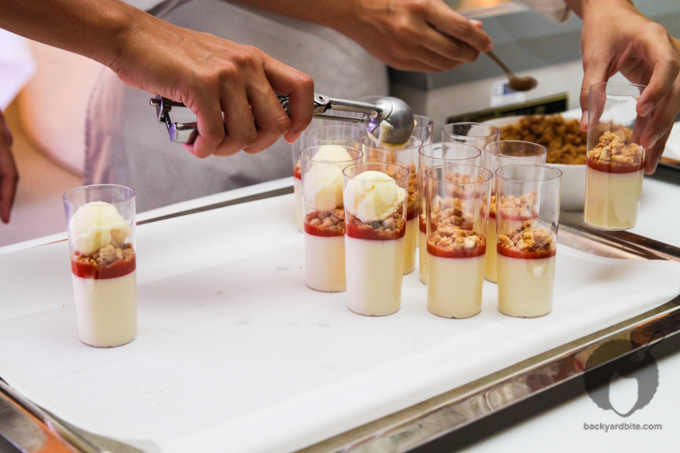
…and this melt-me-away macadamia nut mouse from Stephen Durfee. I had two of each of these desserts. Local Hawaiian flavors sensually massaging my tastebuds… They were so good!
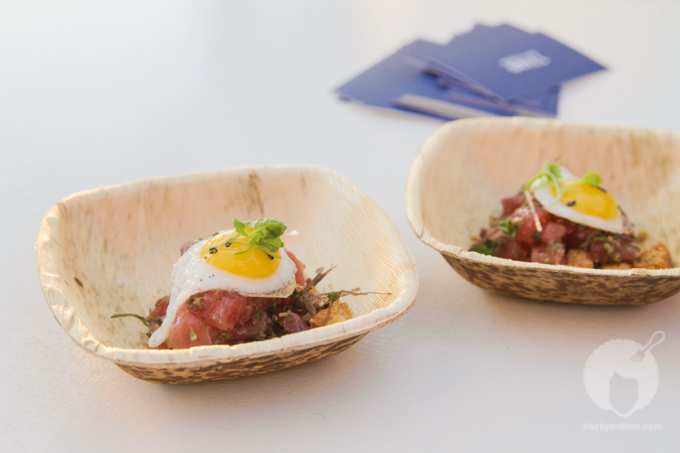
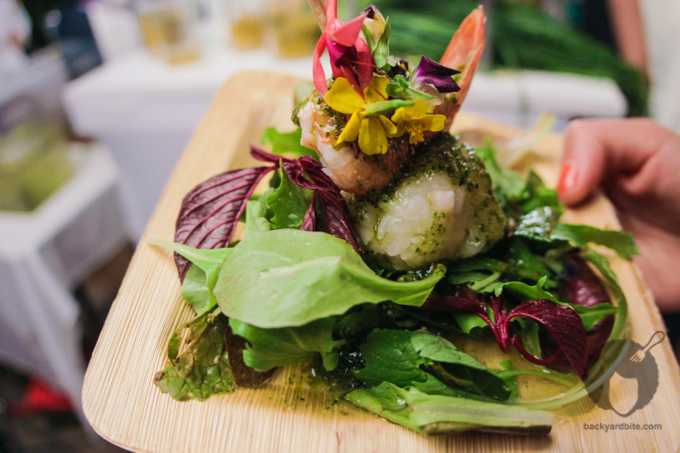
Also, a dish that was as beautiful to look at as it was to eat, from Chef Amber Lin from Taipei, Taiwan. It was a shrimp cocktail with tea risotto and mushroom sauce accompanied by her herbal and light chamomile tea blend.
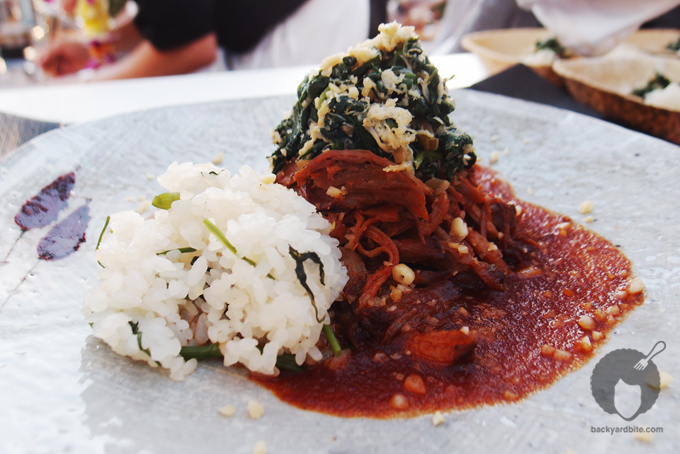
I also loved this spicy gochujang braised pork w/ watercress and vegetable rice by Chef Lucia Cho from Seoul, Korea. She paired the dish with a perfect shot of rice based sake which made it all the tastier. This girl’s got game.
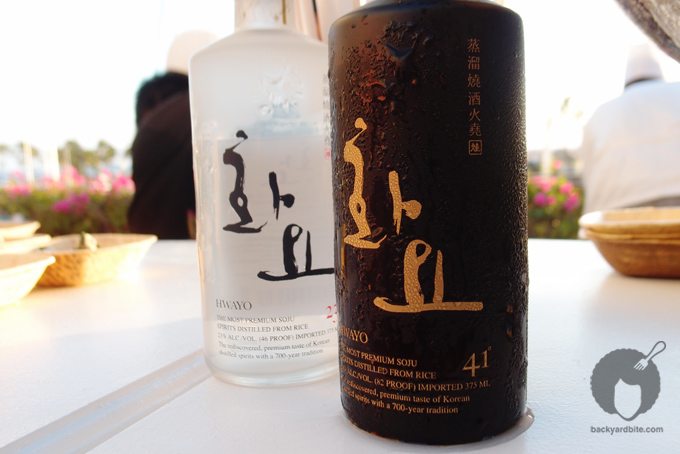
Fancy a sake-vodka cocktail? Don’t mind if I do. Mahalo Chef Ming!
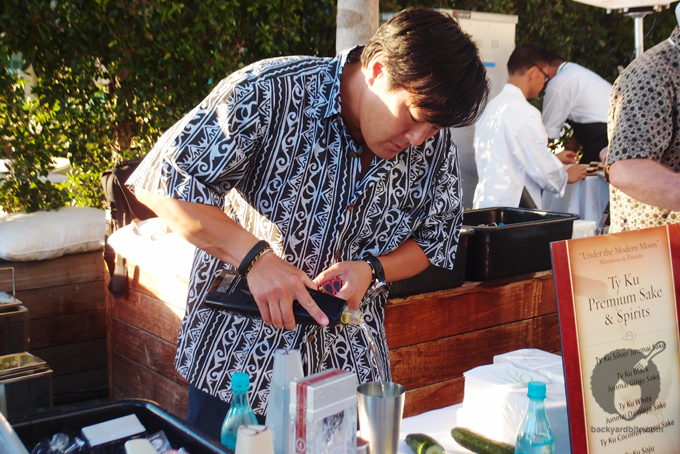
Here are some more photos to recap the rest of the beautiful evening, and of course to make you wish you were there.
Check back soon for a video recap on all the rest of the Hawaii Food and Wine Festival Events!
[portfolio_slideshow id=6055]
Want more Hawaii? Check out some videos on my recent adventure by clicking, here.
Learn about the origins of the festival from the founders. Click here to watch the video.
[I was a guest of the Hawaii Visitors and Convention Bureau and their partners and thank them for their Hawaiian hospitality. All comments and opinions expressed are strictly my own. Mahalo Rebecca Pang, organizers of the Hawaii Food and Wine Festival and all the new friends I made on Oahu!]
Well, it didn’t take long for me to return to Hawaii! And who would blame me…
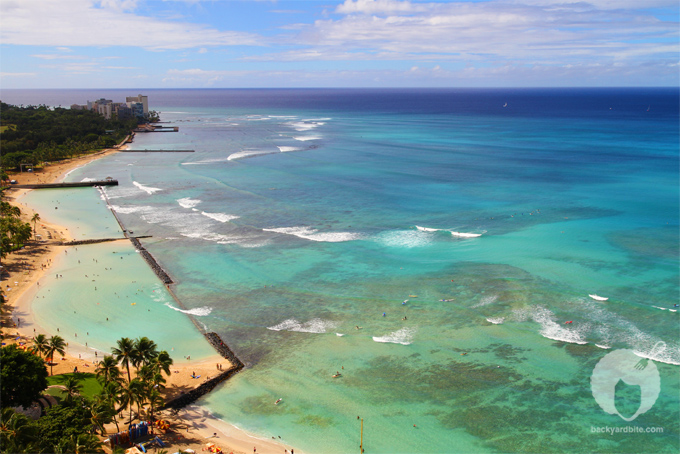
Since my previous visit last Spring to Maui for the Maui Onion Festival, I had been looking forward to returning and seeing what the other Hawaiian islands had got going on — food wise that is. This time, I returned as a guest of the Hawaii Visitors and Convention Bureau to attend the 3rd Annual, Hawaii Food and Wine Festival!
Be sure to follow me on twitter and instagram for live tweets and coverage and to see what I’m eating!!
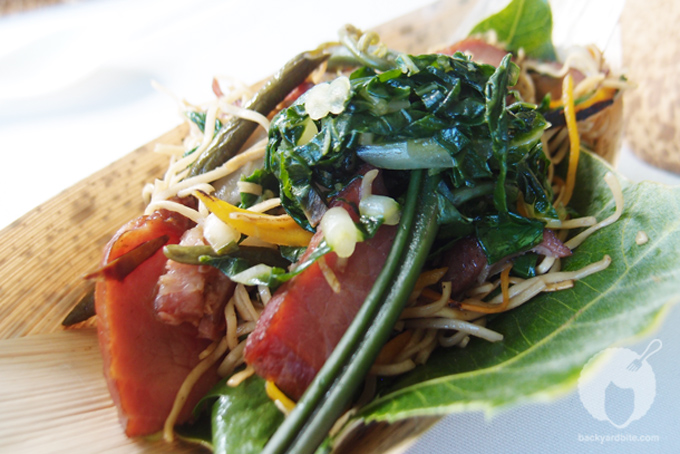
…and who I’m meeting!
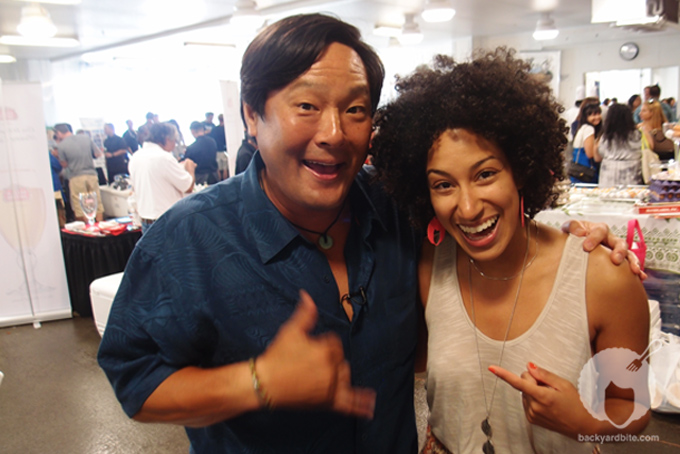
Part of the Kamehameha Schools Hawaii educational programs: I took a field trip to an 800-year-old fishpond, pounded poi and ate regional foods from local farmers. Here’s just a taste from my first adventure: Fish & Poi: Lunch at the Loʻi…
Check back for more posts from my Hawaii adventures! I’ll be telling you where you need to stay, what you need to eat, and where the locals go!
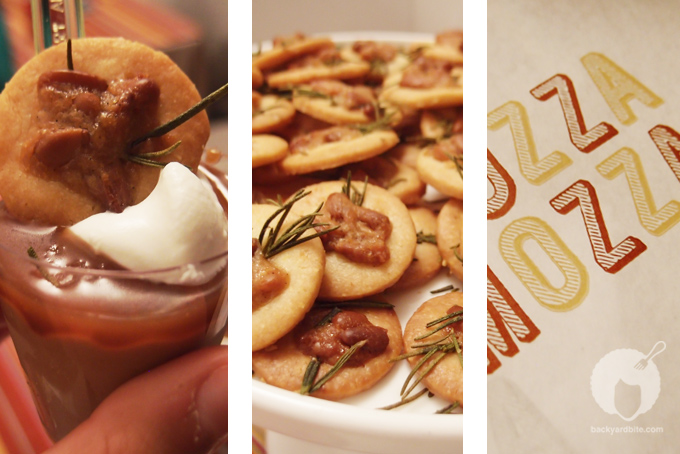
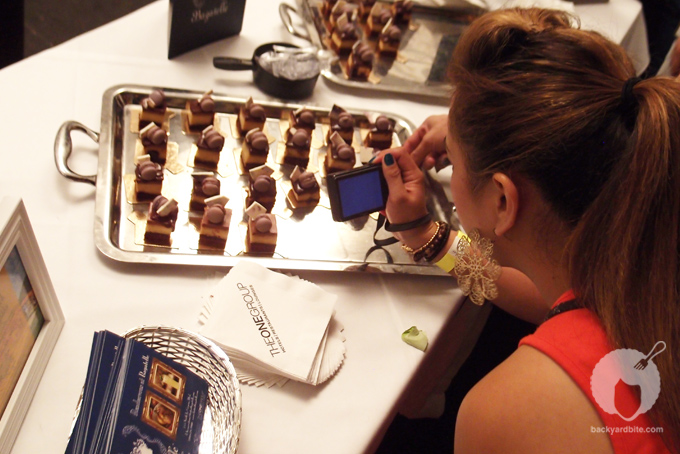
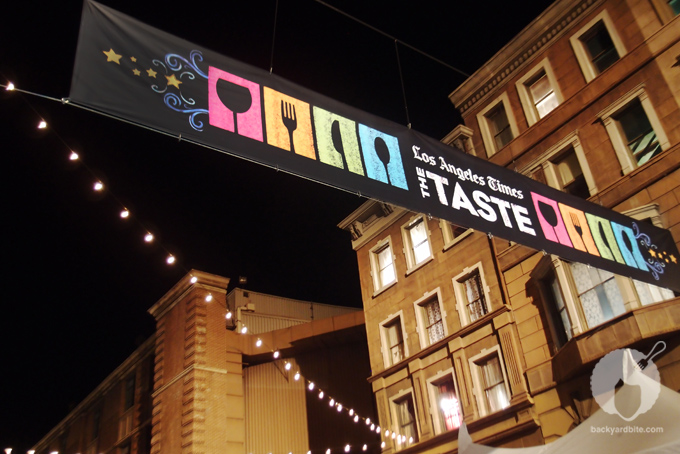
Paramount Studios Lot was the backdrop to the Los Angeles Time’s Opening Night of The Taste, a multi-day foodie-stravaganza. I was lucky to attend the opening gala, a more intimate gathering of tasters and tastemakers.
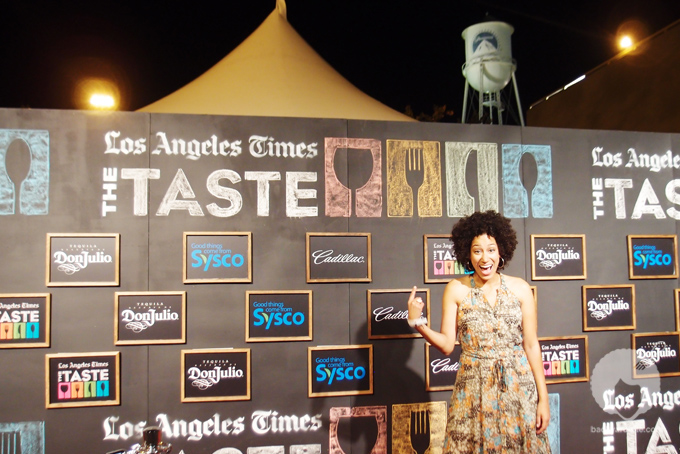
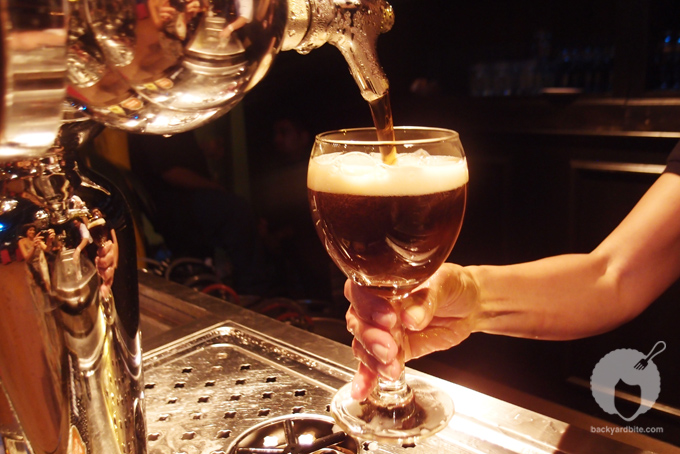
We braved the muggy 80˚ temps in the name of food and booze. Thankfully, the Beatles cover band, Britain’s Finest were spot-on in their impressions they took our minds off the heat long enough so we could raise our glasses of Stella Artois and sing out a chorus of Na Na Na Na’s during Let it Be.
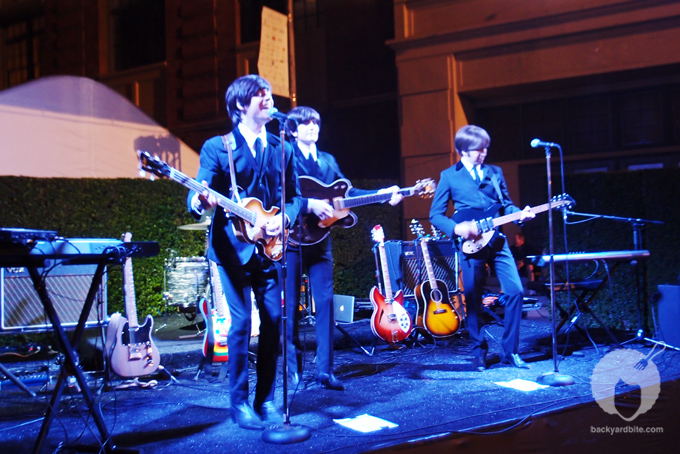
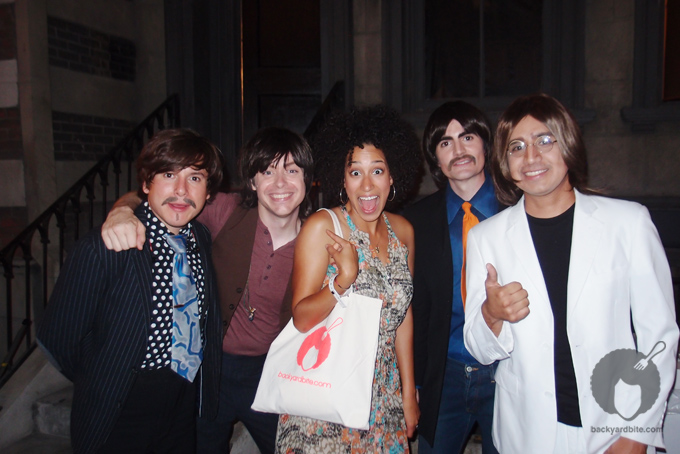
Costume change! Older Beatles. She Loves You, Yeah, Yeah, Yeah!
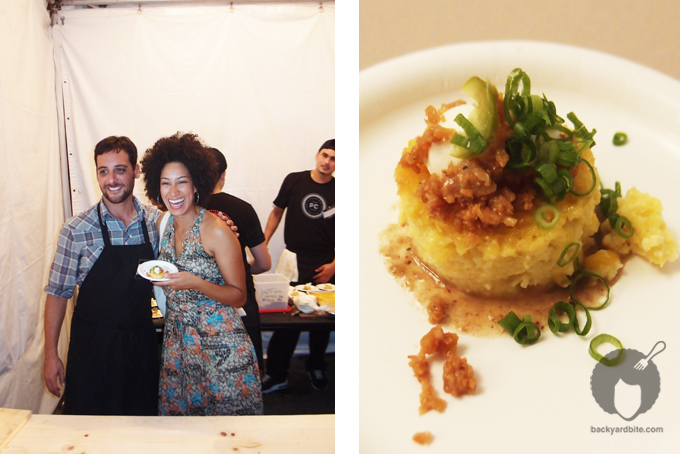
Of course many celebrated local food stars were in attendance. Mozza’s Nancy Silverton, L.A. Times Russ Parsons and Jonathan Gold, took pictures with fans while chefs like Ernesto Uchimura from Plan Check plated tasty treats for hungry guests.
Here’s a video recap of Opening Night!
The rest of the weekend’s line-up features various demonstrations, chef talks and tastings throughout the day.
Some standout events include:
FIELD TO FORK // SAT AUG. 31
Cadillac Culinary Stage
Cooking Demonstration featuring
Sherry Yard (Helms Bakery)
Cadillac Culinary Stage
Cooking Demonstration featuring
Michael Cimarusti (Providence/Connie & Ted’s)
12:45 – 1:30 p.m.
Cadillac Culinary Stage
Cooking Demonstration featuring
Nancy Silverton (Osteria Mozza/Pizzeria Mozza/Chi Spacca)
The Taste Bar Stage
Going Whole Hog: Tales from Masters of Competition BBQ with
Noelle Carter (moderator),
Ryan Chester (The Rub Co.),
Sylvie Curry (Lady of Q) and
Neil Strawder (Bigmista’s Barbecue)
9:15 – 10 p.m.
The Taste Culinary Stage
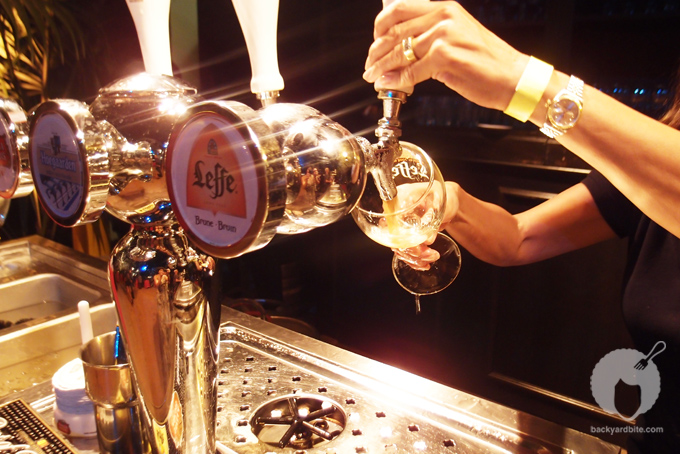
9:30 – 10:30 p.m.
The Taste Bar Stage
10 – 10:45 p.m.
Cadillac Culinary Stage
Cooking & Mixology Demonstration featuring
Kuniko Yagi and
Brandyn Tepper (Hinoki & the Bird)
For the full list of events and tickets, click here.
Cheers to another tasty year at The Taste!
 Prev1...121314...30Next
  Page 13 of 30